Mikes Man and Van in London

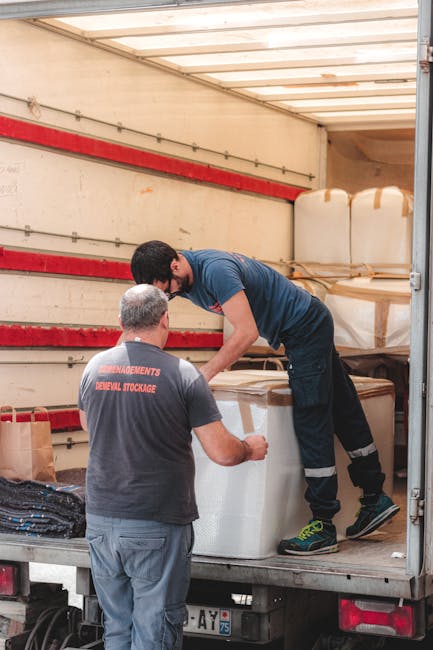
Mikes Man and Van in London provides practical moving support for homes and businesses that need a straightforward, careful service with a vehicle and the lifting help to match. The core work covers furniture moves, house removals, office relocation support and smaller transport jobs where a full removals operation may be more than is needed. The aim is to keep the process organized, manageable and clearly scoped from the outset.
We handle a range of moving tasks with the same simple approach: assess what needs to travel, plan the load, protect items appropriately and move them in a way that suits the property and access on the day. That can include single-item furniture moves, room-to-room relocation, domestic removals and commercial transport. If you need a quote, take a moment to review the services below and then make an enquiry.
For customers comparing moving options, the most useful starting point is to decide whether you need a man and van arrangement, a more structured house move or a business relocation service. Each has its own pace and level of preparation. Our service pages cover these options in more detail, and the links are arranged to help you move from a general overview to the most relevant next step.
Flexible moving support for homes and everyday loads

Domestic transport is often about more than simply loading boxes. Sofas, wardrobes, appliances and mixed household contents need sensible handling, especially where stairs, narrow halls or shared entrances are involved. Our home moves service is suited to customers who want a simple, practical move plan rather than a complicated relocation package, while still needing the work done with attention to item safety and access.
When the job is smaller or more direct, a man and van format can be the better fit. It is commonly used for moving a few larger items, transporting furniture after a purchase, or relocating the contents of one flat or room without unnecessary delay. The service can also help when you need an extra vehicle and an extra pair of hands, rather than a large crew or specialist equipment. That makes it a useful middle ground between self-transport and a full removals team.
Typical home-related requests may include:
- single furniture item transport
- small flat or apartment moves
- student belongings and compact household loads
- pickup and delivery of second-hand furniture
- moving boxes, soft furnishings and mixed home contents
House removals planned around access and item protection
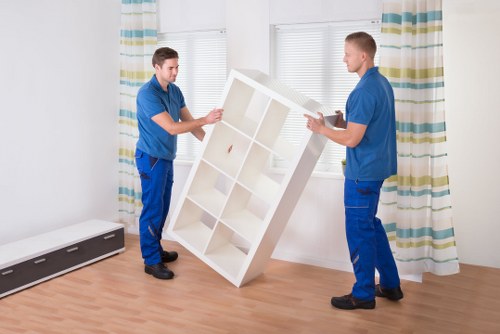
For larger domestic moves, preparation matters. Our house removals service is intended for customers who need their belongings moved from one property to another in a more structured way. This type of work usually benefits from a clear load order, sensible packing and careful handling of heavier household pieces. It also helps to think about entry points, parking, floor access and the sequence in which rooms are cleared.
Some homes need more than a simple vehicle and a quick lift. Stairs, long carries and awkward corners can affect how the move is arranged, and fragile possessions may need extra wrapping or more careful placement in the vehicle. Where required, the work can be paired with related moving support such as packing and unpacking services, which can make the process easier when a household contains many loose items, kitchen contents or breakables that need orderly handling.
Useful preparation points are usually simple: keep key items separate, identify anything fragile or unusually heavy, and make sure the moving route is as clear as possible. A concise inventory or even a short item list can help the quote reflect the right amount of work. If you are unsure how much help is needed, it is often better to describe the load honestly than to understate the size of the move.
Furniture, appliances and removal work for single items
Not every booking is a full move. Sometimes the job is to pick up a wardrobe, a table, a washing machine or several related pieces from different locations and bring them together safely. Our furniture pick-up service is designed for that kind of request, where the main issue is getting the item collected, carried and delivered without damage or unnecessary disruption.
Furniture transport is often affected by shape, weight and access rather than distance alone. Bulky items can need padding, blankets or sensible loading order so that corners, feet and surfaces stay protected. If a customer is combining a pick-up with a house move or a broader removal, it can be useful to discuss the sequence in advance so the vehicle space is used efficiently and the heaviest items are loaded with the right support.
The service can also sit alongside other moving options such as man and van removals where the job is neither a pure courier task nor a full-scale house move. That in-between category is common in London, especially for customers moving a limited amount of furniture between flats, storage and family properties. The benefit is a practical service shape, matched to the volume of goods rather than an oversized package.
Commercial moving and office relocation support
Businesses usually need a moving plan that respects working hours, equipment, paperwork and the practicalities of getting desks or stock out of one space and into another. Our commercial moves service covers this kind of relocation support, including office furniture, packaged goods, fixtures and other business contents that need transport with minimal confusion. The focus is on keeping the work organised and the load secure.
For office-based customers, the details matter: computer equipment, filing, meeting-room furniture and stored supplies all need different handling. A relocation can involve moving items in phases, separating essential equipment from lower-priority contents and making sure the destination is ready to receive the load. Where more complete business relocation support is needed, office relocation services provide a clearer option for larger premises and more structured moves.
Commercial jobs often work best when the scope is clearly defined at the outset. A short list of items, notes about building access and any timing constraints will help shape a practical plan. For some customers, that may mean a one-vehicle move; for others, it may involve repeated trips or a more detailed arrangement. Either way, the useful aim is the same: keep the process efficient without compromising on care.
Man and van options for local transport and smaller moves

A man and van service is often the simplest way to move a limited load when you do not need a large removals team. It can suit room moves, storage runs, marketplace collections and mixed household transport that needs one vehicle plus lifting help. Our man and van page reflects that straightforward style of moving support, with a focus on keeping jobs practical and appropriately sized.
For customers comparing similar options, the difference usually comes down to scale and complexity. A smaller move may only need basic loading and transport, while a broader household relocation may call for removal planning, protection materials or several collection points. That is why it helps to look at the moving task itself rather than rely on labels alone. If your load is compact but awkward, the job may still need careful handling; if it is larger but simple, an efficient vehicle-based move may be enough.
Other relevant pages can help you compare likely formats. The man with van page is useful if you are trying to decide how that style differs from a fuller removals service, while man with a van offers another way to view the same type of practical transport support. These pages sit well beside the core service, because the best choice depends on the amount to be moved, the access involved and the level of assistance required.
About London
London is a large, historically layered city shaped by the River Thames, a network of historic villages and later suburbs, and centuries of commercial growth. The City of London developed as the original Roman and medieval core, while Westminster became the focus of royal and parliamentary power. Over time the metropolis expanded far beyond both centres, absorbing former settlements and open land into a patchwork of districts that still retain distinct identities. The result is a city where Georgian terraces, Victorian warehouses, interwar estates and modern towers sit within the same wider urban fabric. Transport has long influenced that fabric: river crossings, rail termini and Underground lines have connected separate parts of the city and encouraged new forms of growth. The Thames remains a defining feature, lined by embankments, bridges and regenerated riverside areas, while parks such as Hyde Park, Regent’s Park and Hampstead Heath provide major open spaces within the dense built environment. London also carries a strong cultural mix, expressed through museums, galleries, theatres, markets, music venues and neighbourhood high streets that give many districts their own character. Its architectural variety includes civic landmarks, churches, market halls, estate architecture and contemporary redevelopment around former docklands and industrial land. As a global capital, it has also attracted successive waves of migration, trade and innovation, all of which are visible in its food, language, place names and street life. That combination of history, density and change makes London one of the most recognisable urban landscapes in the world.
Service choices, timing and what affects the work

Choosing the right moving format is often easier when you think in terms of the items themselves. Heavy or awkward furniture may need the vehicle arranged around it first, while boxed contents may be more straightforward to stack and secure. Our moving van and moving truck pages are useful references when you want to compare transport styles for different load sizes, particularly where the volume of belongings determines how the job should be set up.
Price is normally influenced by practical factors rather than a fixed formula. The amount to be moved, how far it needs to travel, how easy the pickup and delivery points are to access and whether items need extra care all play a part. If a job includes stairs, parking difficulty, multiple collection addresses or specialist handling, the scope may need to be adjusted accordingly. A clear description at the start generally leads to a more accurate quotation.
If you would like to move forward, the next step is simple: review the most relevant service page, note what needs to be transported and ask for a quotation. For larger domestic moves, pricing and quotes is the best place to start your enquiry. For a prompt discussion of your moving plans, send the details today and we will help shape the right service for the load.
Additional removal services and supporting pages
Some customers need a broader removals option rather than a single vehicle job. In those cases, a more general removal service can be the most practical fit, especially if the move includes furniture, boxes and mixed household goods that need to travel together. The removals page sits alongside removal services and removal company, giving different ways to explore the same type of moving support without assuming that every project is identical.
There are also useful pages for related decisions. house removalists and house movers both speak to domestic relocation work, while removal van, removals van and removal truck hire can help when the main question is vehicle size. These destinations are helpful because customers often need to compare the moving method before settling on the rest of the plan.
For local searches, broader area pages can also provide a useful starting point. The London page gives the widest geographic reference point, while neighbourhood pages such as Westminster, Camden or Wandsworth can be relevant where a move is tied to a particular part of the city. These pages help frame the service area without overcomplicating the moving request itself.
Planning your enquiry and next steps
When you request a quotation, it helps to be clear about the type of move rather than just saying you need transport. A short message can include what is being moved, where it is going, whether there are stairs or parking restrictions and if any items need special handling. If you have photographs or a simple inventory, those details can make the quotation more precise, but they are not the only way to start a conversation.
Good planning also means choosing the right destination page if you want more detail before getting in touch. A home move, a business relocation and a furniture collection all involve different priorities. If you are comparing options, look at the service that best matches the load and the access conditions, then ask for a quote once the scope feels clear. That approach usually saves time and avoids confusion later in the process.
For a final step, use the contact route that suits you best and ask for a quotation based on the service you need. If you want to keep things simple, start with a brief description of the move and ask for the most suitable option. Request a quote here when you are ready to go ahead.