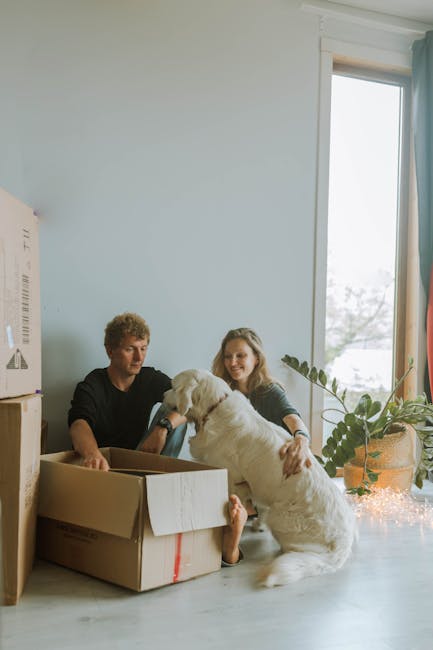
Moving with Pets: Practical Checklist for Stress-Free Travel
Moving house is stressful enough without a dog hiding under the bed, a cat staring at the hallway like it has personally offended her, or a rabbit that decides the carrier is now the enemy. If you are moving with pets, the goal is not just getting from A to B. It is helping your animals feel safe, keeping travel manageable, and avoiding those little chaos moments that can make an already busy day feel like a circus.
This guide gives you a practical checklist for stress-free travel, with clear steps for before, during, and after the move. It also covers transport options, common mistakes, and a few common-sense UK considerations so you can plan with confidence. If your move includes a larger family home or a tight schedule, you may also want to explore house removals, home moves, or flexible support from man and van services to keep the day organised.
Truth be told, pets usually pick up on your energy before they understand the boxes. A calm plan goes a long way. And yes, it does make the day easier for you too.
Table of Contents
- Why Moving with Pets: Practical Checklist for Stress-Free Travel Matters
- How Moving with Pets: Practical Checklist for Stress-Free Travel Works
- Key Benefits and Practical Advantages
- Who This Is For and When It Makes Sense
- Step-by-Step Guidance
- Expert Tips for Better Results
- Common Mistakes to Avoid
- Tools, Resources and Recommendations
- Law, Compliance, Standards, or Best Practice
- Options, Methods, or Comparison Table
- Case Study or Real-World Example
- Practical Checklist
- Conclusion
- Frequently Asked Questions
Why Moving with Pets: Practical Checklist for Stress-Free Travel Matters
Pets do not understand moving day the way people do. They only notice that familiar smells are disappearing, furniture is being shifted, and strangers may be walking through their territory. For many animals, that change can trigger anxiety, confusion, pacing, vocalising, hiding, or even the occasional escape attempt. If you have ever seen a cat vanish at the exact moment a front door stays open for two seconds, you will know why planning matters.
A pet-friendly moving plan matters because it reduces risk on three fronts: emotional stress for the animal, practical delays for the move, and safety issues around loading, driving, and unloading. It also helps you keep essentials separate from everything else so your pet's food, medication, documents, and comfort items are easy to reach when you need them.
There is another reason too. Moving day can get noisy. Doors bang, vans idle, people call instructions across the hallway, and the pace is often faster than expected. A clear checklist helps you create little pockets of normality in the middle of that. That is especially useful if you are moving within a busy area or working around stairwells, lift bookings, or parking restrictions. If you need a transport option that suits a smaller load or a shorter move, pages like removals van and man with a van can be a practical fit.
A stress-free pet move is rarely about perfection. It is about preparation, timing, and keeping the day predictable enough that your animal can cope.
For families with dogs, cats, birds, rabbits, or small pets, the checklist also helps the humans. You are less likely to forget the lead, the carrier, the litter tray, or the spare towel. Small things, yes. But moving day is basically a thousand small things.
How Moving with Pets: Practical Checklist for Stress-Free Travel Works
The best way to move with pets is to treat it as a mini project with three phases: prepare, travel, settle. That sounds simple, but the detail matters. The preparation stage is where you reduce uncertainty. The travel stage is where you keep the environment safe and familiar. The settling stage is where you make the first few hours in the new home feel as steady as possible.
In practice, the checklist works like this:
- Plan early so food, medication, and transport arrangements are sorted before packing gets messy.
- Keep pet items separate in one clearly labelled bag or box.
- Reduce exposure to noise and foot traffic by creating a calm room or scheduling transport away from the busiest part of the day.
- Use safe containment such as carriers, harnesses, or crates based on your pet's species and temperament.
- Set up the destination first with water, bedding, litter tray, or a feeding station before letting the pet explore.
It is not about making the move fancy. It is about lowering the number of unknowns. Pets generally do much better when the day has a rhythm. For some households, the smoothest approach is to use professional help for the move itself while you focus on the animal side of the plan. That might mean a service such as removal services or a team offering packing and unpacking services so you are not juggling too much at once.
There is no single perfect method for every pet. A confident Labrador, for example, may cope well with a calm vehicle ride and a quiet room at the new house. A nervous rescue cat, on the other hand, may need the carrier ready from the night before and a very controlled first entry into the property. Different animals, different plan. Obvious maybe, but easy to forget when the boxes are piling up.
Key Benefits and Practical Advantages
The checklist approach brings practical benefits that are easy to feel on the day. You get fewer surprises, less backtracking, and a lower chance of losing important pet essentials in the general moving chaos. Your pet gets a calmer transition, which usually means less hiding, less barking, less restlessness, and a faster settling-in period after arrival.
Here are the main advantages in plain English:
- Safer travel for pets that may otherwise roam, panic, or jump between seats.
- Less household disruption because pet belongings are already grouped together.
- Faster recovery after the move as routines can restart sooner.
- Better coordination with removals when everyone knows which room is pet-free and which items are travelling last.
- Reduced risk of accidental escapes around doors, loading bays, and driveways.
There is a financial angle too. Losing paperwork, delaying travel, or needing emergency supplies halfway through the move can create avoidable costs. Even something simple like replacing a damaged carrier at short notice can be annoying. If you are comparing options for your move, it may help to review pricing and quotes so you can judge the overall picture with more confidence.
For people in flats or dense urban streets, a structured plan can also help with access. You might need to split the move into phases or keep pets away while loaders are moving furniture in and out. In those cases, a flexible local option such as removals near me can be worth looking at, especially if you need a short-notice solution that keeps the day manageable.
| Goal | Without a checklist | With a pet-moving checklist |
|---|---|---|
| Pet safety | Higher chance of escapes, stress, or missed items | Clear containment and easier supervision |
| Moving-day pace | Disorganised, with extra stops and forgotten essentials | Better sequence and fewer interruptions |
| Arrival at the new home | Pet is dropped into an unfamiliar space too quickly | Familiar bedding, water, and routines ready first |
| Owner stress | More last-minute decisions | More control and less mental load |
Who This Is For and When It Makes Sense
This guidance is for anyone moving home with a pet, but it is especially useful if you have more than one animal, a long travel distance, a nervous pet, or a move that involves tight timing. It also makes sense if you are moving from a house to a flat, from a flat to a house, or between rented homes where access windows are not particularly generous.
You may want to be extra careful if:
- your pet dislikes carriers or vehicles
- you have a rescue animal with an unsettled background
- you are moving during hot weather or very cold weather
- you have a puppy, kitten, senior pet, or pet with medication needs
- your new home needs a lot of unpacking before it feels safe for animals
Households with children often benefit most from a clear pet plan because everyone is busy in different ways. One person is packing the kettle, another is checking keys, someone else is trying to find the cat. It gets a bit much. Having a defined pet checklist means you can hand over jobs cleanly, which is where professional movers can help too. For larger household moves, pages like house movers and movers may fit the wider moving plan, while you keep the pet side under control.
This is also a sensible approach for people moving across London or into nearby areas where traffic, parking, and loading can be unpredictable. If you are already organising a route or comparing service coverage, location pages such as Wimbledon or Fulham can give you a clearer picture of local availability.
Step-by-Step Guidance
Here is a clean, practical way to handle pet travel on moving day without turning your life upside down.
1. Start with your pet's routine
For a few days before the move, keep feeding times, walks, litter cleaning, and bedtime as normal as possible. Pets like predictability. It gives them a foothold when the rest of the house is becoming boxes and tape. If your dog expects a walk after breakfast, keep that walk. If your cat tends to eat in a quiet corner, do not suddenly move the bowl next to the packing mountain.
2. Prepare a dedicated pet bag
Pack the essentials in one bag you can grab instantly. That bag should include food, treats, a bowl, water, medication, lead, harness, carrier, waste bags, towels, and any comfort item your pet uses. A familiar blanket can help more than people expect. It smells like home, which matters a great deal in unfamiliar places.
3. Arrange a safe room or holding area
On moving day, set aside one room for your pet, preferably away from the front door and busy traffic. Put a sign on the door if needed. Keep it simple: water, bedding, litter tray if relevant, and a note to keep the door shut. This one step can prevent a lot of rushing around.
4. Load the vehicle with pet timing in mind
Try to load the vehicle before bringing the pet out, if that is practical. More noise, more people, more open doors equals more chance of panic or escape. If your move is small enough for a single vehicle, a service like man with van removal or moving van may allow a more controlled loading window.
5. Transport pets securely
Dogs should generally be restrained with a secure harness, crate, or travel barrier depending on size and vehicle setup. Cats are usually safest in a carrier with a closed door and good ventilation. Small pets like rabbits, guinea pigs, or birds need species-appropriate carriers and enough airflow. Do not let a pet move freely around the vehicle. That is not freedom; that is a safety risk.
6. Keep the journey calm and unhurried
Drive smoothly, avoid loud music, and keep stops to a minimum where possible. If you know your pet gets travel sick, speak to a vet in advance for advice. Do not feed a pet heavily right before a journey unless a vet has specifically advised otherwise. A light stomach often travels better than a full one, especially on longer trips.
7. Set up the new home before letting the pet roam
At the destination, prepare a quiet room first. Put the water down. Set out bedding. Place the litter tray or toilet area. Then let the pet settle before opening the whole house. This is the part many people rush, because they want the day to be over. But a ten-minute pause can save an hour of stress later.
8. Rebuild normal routine quickly
Once you are in, return to normal feeding and walking patterns as soon as you can. Keep introductions slow if there are new stairs, doors, garden access points, or noisy neighbours. A little patience now usually pays off.
Expert Tips for Better Results
Here are the practical details people often forget, even when they have moved before.
- Use scent on purpose. Do not wash every pet blanket right before the move. Familiar smells matter.
- Label the pet box clearly. Mark it as "open first" so it does not disappear under kitchen items.
- Keep a spare lead or spare carrier clip handy. Small equipment fails at the worst times, naturally.
- Photograph medication instructions. If the label goes missing, you still have the details.
- Plan for weather. Warm vehicles and winter draughts can both be a problem. Pets notice that stuff fast.
- Tell the removals team where the pet room is. Good communication prevents accidental door openings and last-minute confusion.
One useful habit is to prepare a "first evening" pet kit. Think food, bowl, bedding, a toy, litter tray, and anything needed for the first overnight stay. By the time the sun starts dropping and the house has that hollow, echoey feel of a place not yet lived in, you will be glad it is all in one bag.
If your move needs extra physical support, the wider removal plan matters too. For example, if you are moving bulky furniture or fragile items, removal company support can reduce the number of moving parts. That indirectly helps the pet side because there is less stress around the home.
Common Mistakes to Avoid
Most pet-moving problems come from rushing, not from bad intentions. A few common mistakes are worth calling out directly.
- Leaving pets loose during loading. Doors open, boxes moving, adrenaline high. Not a good mix.
- Packing pet essentials too early. If you cannot find the lead or food bowl, the day gets harder immediately.
- Changing food or routine at the same time as the move. Too many changes at once can upset digestion and behaviour.
- Forgetting hidden escape points. Back doors, cat flaps, loft access, and balcony doors all need checking.
- Assuming one method fits every pet. A dog, cat, and rabbit will not travel the same way.
- Letting children "help" by opening carriers or holding leads. Lovely in theory. Risky in practice.
Another subtle mistake is underestimating the new home itself. A pet may be calm in the vehicle and then spooked by echoing rooms, open windows, or a very different smell profile. In a flat or apartment, sound bounces more than people expect. In a house, stairs can become the surprise obstacle. Check the layout before you let the pet explore freely.
And yes, it is easy to think, "They'll be fine." Sometimes they are. But a good move plan is not built on hoping for the best.
Tools, Resources and Recommendations
You do not need a suitcase full of specialist kit, but a few practical tools make a real difference.
- Pet carrier or crate: sized appropriately, secure, and well ventilated.
- Harness and lead: better than a collar alone for most dogs when moving in and out of vehicles.
- Water bowl and food bowl: ideally the same ones your pet already uses.
- Absorbent towels or blankets: useful for comfort and cleaning up small accidents.
- Medication pouch: keep prescriptions together and easy to find.
- Label stickers: for pet supplies, first-night items, and fragile containers.
For moving support itself, it helps to compare the right type of service rather than just the cheapest option. A small move may suit man and van removals, while bigger household relocations may be better matched with a fuller removals service. If you are moving a lot of furniture or large boxes, a dedicated moving truck can make the logistics easier.
It is also worth checking business trust pages where relevant. Reading about about us, insurance and safety, or health and safety policy can help you judge whether a company's approach fits your expectations. That is not being fussy. That is being sensible.
If your move involves recycling old items, packaging waste, or a sustainability-minded approach, the page on recycling and sustainability is a useful read too. Cleaner moving practices help keep the whole process a bit tidier, which pets generally appreciate more than humans realise.
Law, Compliance, Standards, or Best Practice
For most home moves in the UK, there is no special legal rule that says pets must travel in a certain way. But there are strong best-practice expectations around safety, control, and welfare. In plain terms: if you are driving, your pet should be safely restrained so it cannot distract the driver or injure itself in transit. That is especially important on busy roads or longer journeys.
If you are moving a pet across borders, or into the UK from elsewhere, extra rules may apply. Those are separate from a normal house move and should be checked carefully with official guidance well in advance. Do not leave that side of things until the week before. It really is not the kind of job you want to rush.
There are also practical welfare considerations. A pet should have access to water, enough ventilation, and a reasonable travel plan that avoids unnecessary delays. For longer moves, many owners make a vet appointment before moving day, especially if the animal is elderly, on regular medication, or has a history of stress-related issues. That is not overcautious. It is just good sense.
If you are using professional movers, it is reasonable to ask about access, timings, and insurance arrangements. You can review payment and security and the business terms on terms and conditions before booking. Clear expectations help protect everyone, pets included.
Options, Methods, or Comparison Table
There are a few common ways to manage pet travel on moving day. The best one depends on your pet's personality, the size of the move, and how much help you have.
| Method | Best for | Strengths | Limitations |
|---|---|---|---|
| Pet stays in a quiet room while movers work | Most cats, dogs, and small pets on moving day | Low disruption, easy supervision, simple to organise | Needs a secure room and careful door control |
| Pet travels in the family vehicle | Single-pet households or short journeys | Direct oversight, familiar people nearby | Can be stressful if the pet dislikes travel |
| Professional removals handle the belongings while you transport the pet separately | Longer moves or busy days | Reduces chaos and keeps the pet plan focused | Requires coordination and timing |
| Staged move with pet arriving after the main load | Nervous animals or very full properties | Less noise and fewer open doors at pet arrival | Needs temporary pet care until the home is ready |
For many households, a staged move is the calmest option. The property is quieter, the floors are clearer, and you can set the pet's area up properly before introducing them to the rest of the home. If you need a service tailored to the scale of your move, it is worth looking at man with van removal or, for more complete assistance, house removals.
Case Study or Real-World Example
A practical example helps bring all of this together. Imagine a couple moving from a first-floor flat in South West London to a terraced house with a small garden. They have one anxious cat and one older dog. The flat has a narrow hallway, a lot of packing traffic, and a lift that keeps getting used by neighbours. On a typical moving day, that would be a recipe for stress.
Instead, they plan the move in stages. The cat's carrier is left out two days early with a blanket inside. The dog's lead, food, and water bowl go into a clearly labelled bag. On the morning of the move, the cat is placed in a quiet bedroom before the removals team starts loading. The dog goes for an early walk, then stays with one adult while the main furniture is moved. Once the house is quiet, the cat arrives last, into a prepared back room with water, a litter tray, and a familiar bed.
The result is not magical. The cat still hides under a chair for a bit. The dog still investigates every corner like a little inspector. But the overall day is calmer. No one is chasing a loose pet through an open doorway. No one is hunting for the food bowl in a mountain of boxes. And by the next morning, both animals are eating, sleeping, and starting to recognise the new space.
That is the real aim: not a perfect move, just a manageable one.
Practical Checklist
Use this as your working list in the days before the move, on the day, and when you arrive.
- Book the move and confirm timings early.
- Choose who will be responsible for the pet on moving day.
- Ask a vet for advice if your pet has medication, anxiety, or travel sickness.
- Pack a dedicated pet bag with food, water, bowls, lead, carrier, and medication.
- Keep a familiar blanket, toy, or bed aside for comfort.
- Set up a quiet room in the current home for moving day.
- Make sure windows, doors, and cat flaps are secure before the loading starts.
- Transport pets in a secure carrier, crate, or harness arrangement.
- Drive calmly and minimise stops where possible.
- Prepare the new home before letting pets explore.
- Place food and water out first.
- Restart routine as quickly as practical.
- Check for hiding places and exit points in the first 24 hours.
- Keep pet records, vaccination documents, and prescriptions somewhere accessible.
Quick takeaway: If your pet can eat, drink, rest, and stay contained without extra drama, you are already doing a lot right.
If you need a little extra help making the wider move feel easier, it is worth speaking with a trusted local team and asking about the most suitable moving option for your home and timetable. You can also use the contact page here: contact us.
Get a free quote today and see how much you can save.
Conclusion
Moving with pets does not have to be a source of panic. With a clear plan, a few well-chosen supplies, and a calm travel setup, you can make the day much easier for everyone involved. The trick is simple enough: prepare early, keep the pet environment predictable, and do not leave the important bits to the last minute.
Whether you are moving a cat across town, settling a dog into a new neighbourhood, or organising a family move that includes a nervous little rabbit or two, the same principles apply. Safety first. Familiarity second. Pace matters. And honestly, a little patience goes a very long way.
As a final note, if you are coordinating the move itself and want a smoother experience from start to finish, it can help to work with a removal team that understands how to keep disruption down while you focus on the pet side. That is usually the difference between a messy day and a decent one. Not perfect. Just decent. And that is enough, really.
For the next step, compare your move needs, decide how your pet will travel, and get everything ready before the boxes start taking over the hallway.
Frequently Asked Questions
How far in advance should I start planning a move with pets?
Ideally, start planning at least a couple of weeks ahead, and earlier if your pet is anxious, elderly, or on medication. The sooner you organise the carrier, travel plan, and pet essentials, the easier moving day becomes.
Should pets travel in the car or stay behind until the house is ready?
That depends on the pet and the move. Many owners prefer pets to travel separately or later in the day, once heavy loading is finished. For nervous animals, arriving after the main furniture has been moved can be much calmer.
What is the safest way to transport a cat during a house move?
A secure carrier is usually the safest option for a cat. Keep it well ventilated, closed, and placed where it cannot slide around. Add a familiar blanket if you can, because scent can make a real difference.
How do I stop my dog from getting stressed on moving day?
Keep the routine as normal as possible, use a quiet room, and avoid letting the dog near the busiest part of the move. A lead, familiar bedding, and a calm handler help a lot. And yes, the dog will probably know something is happening anyway.
Can I feed my pet before travelling to the new house?
That depends on the pet and the length of the journey. Many pets travel better on a light stomach, but the right approach varies. If your pet gets travel sickness or has health issues, ask a vet for advice before moving day.
What should go in a pet moving-day bag?
Include food, water, bowls, lead, harness, carrier, medication, waste bags, towels, and a familiar blanket or toy. It helps to keep everything in one clearly labelled bag so you are not searching for essentials halfway through the move.
Is it better to move pets first or last?
For many households, pets are best moved last, once the loading noise has settled. That way, the property is quieter, the doors are not constantly opening, and the pet can go straight into a prepared space.
What if my pet hides during the move?
That is common, especially with cats and rescue animals. Try not to force contact. Keep the environment quiet, provide water and familiar bedding, and allow the pet to come out in their own time. Usually, they do.
Do I need special documents when moving with pets in the UK?
For a normal domestic move, you usually do not need special moving documents for the pet itself. But it is wise to keep vaccination records, medication details, and vet contact information with you. If you are moving internationally, rules can be very different.
How can a removals company help when I have pets?
A removals company can help reduce noise, speed up loading, and keep the whole day more organised. That means fewer open doors, fewer distractions, and more room for you to focus on the pet side of the move. It is one less thing to juggle, which matters.
Are there special considerations for moving birds, rabbits, or small pets?
Yes. Small pets usually need species-appropriate carriers, stable temperatures, and very careful handling. Birds, for example, need secure transport that avoids draughts and sudden movement. Rabbits and guinea pigs often do best with familiar bedding and quiet surroundings.
How soon should my pet settle after the move?
Some pets adapt within hours, while others take several days or longer. The key is to keep feeding, walking, and sleeping routines steady. If your pet is still showing strong stress signs after a while, it may be worth speaking to a vet.