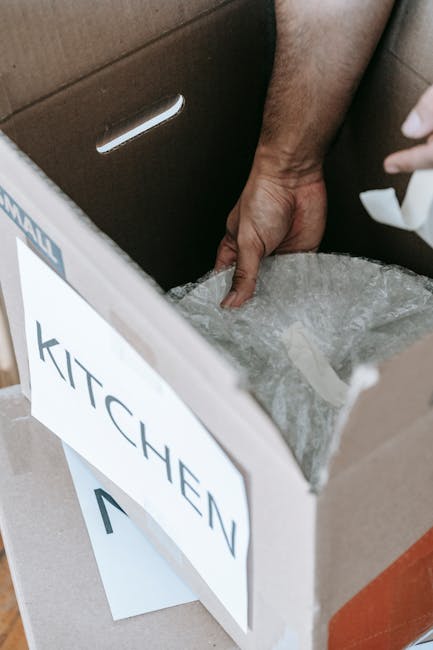
Pack kitchen essentials for the first 72 hours after a move
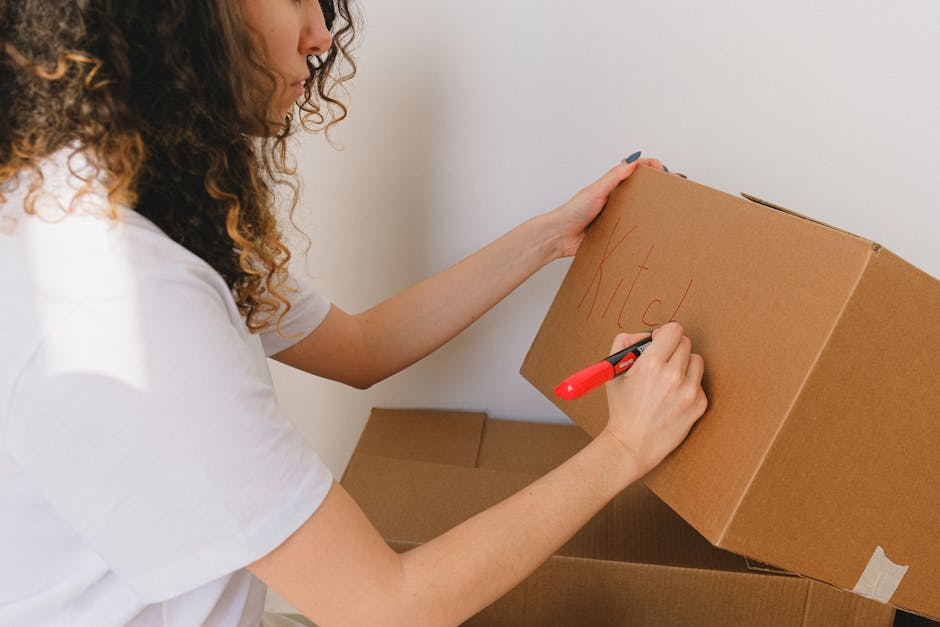
The first box you open after a move should not be the one with random cables, a winter scarf, and three mismatched mugs. It should be the kitchen survival box. If you want a calmer first few days, it pays to pack kitchen essentials for the first 72 hours after a move with a bit of strategy, not just hope and tape.
Those first three days are rarely graceful. You are tired, the kettle may be buried, the kids are hungry, and you are standing in a room full of unopened boxes wondering where the tea bags went. Been there? Most people have. This guide shows you exactly what to pack, how to pack it, and how to make the new kitchen usable fast without overpacking or forgetting the obvious things.
You will find a practical checklist, a comparison of packing methods, common mistakes to avoid, and a few real-world moving tips that make the whole process much less chaotic. Let's keep it simple, useful, and very doable.
- Why it matters
- How it works
- Key benefits
- Who needs this
- Step-by-step guidance
- Expert tips
- Common mistakes
- Tools, resources and recommendations
- Law, compliance, standards, or best practice
- Options, methods, or comparison table
- Case study or real-world example
- Practical checklist
- Conclusion
- Frequently asked questions
Why Pack kitchen essentials for the first 72 hours after a move Matters
The kitchen is usually the first room to create stress after moving, and also the quickest room to restore a sense of normal life. That is why planning for the first 72 hours matters so much. You do not need your entire cookware collection on day one. You need the right things, in the right place, at the right time.
The first 72 hours are a transition window. During that period, you are likely living out of boxes, dealing with delivery windows, getting broadband sorted, and trying to figure out where the fuse box is. A prepared kitchen gives you one anchor point. It lets you make breakfast, fill water bottles, wash a few items, and eat without resorting to takeaways for every meal. To be fair, a takeaway on moving day is sometimes deserved. Three in a row? That gets old fast.
There is also a practical side. If the kitchen essentials are packed separately, you reduce rummaging, breakage, and the risk of accidentally packing something vital into storage. Small oversight, big headache. A simple plan can save a surprising amount of time, money, and grumbling.
Expert summary: Treat the first 72 hours like a mini-living setup, not a full kitchen install. Prioritise eating, drinking, basic cleaning, and one-pan cooking. Everything else can wait a little.
For many households, this is also where packing and unpacking services can make a real difference. If you are already stretched, having professionals handle the heavier lifting while you keep a dedicated essentials box can make day one much smoother.
How Pack kitchen essentials for the first 72 hours after a move Works
The idea is straightforward: before moving day, you create a dedicated kitchen essentials kit containing everything you will need to function for three days without fully unpacking the kitchen. You pack it separately, label it clearly, and keep it accessible so it comes off the van first or near first.
Think of it as a short-term kitchen setup. It is not a full kitchen box. It is a practical survival pack. The contents usually cover five basics: hydration, hot drinks, simple meals, food storage, and minimal cleaning. If you are moving with children, pets, or anyone who needs meals at set times, the box should be adapted accordingly.
In practice, this works best when you split your kitchen items into tiers:
- Tier 1: absolute essentials for day one and two
- Tier 2: useful extras for day three
- Tier 3: non-urgent kitchen gear that can stay boxed until later
You do not need to label every spoon. But you do need a system. That might mean one clearly marked box, one tote for dry goods, and one small bag for the kettle, mugs, and tea. The more visible and boringly obvious the box looks, the less likely it is to vanish into the wrong room. Boring can be brilliant here.
If you are arranging a larger move, it can also help to pair your essentials plan with a broader removal plan such as home moves or house removals, especially if the kitchen is being emptied alongside the rest of the property. The smoother the load order, the easier it is to get your essentials back quickly.
Key Benefits and Practical Advantages
A good first-72-hours kitchen setup brings more than convenience. It changes how the move feels. And honestly, that matters more than people admit.
- Less stress: You can make tea, coffee, and a simple meal without opening ten boxes.
- Faster settling in: A functioning kitchen helps a new house feel like home sooner.
- Lower waste: You are less likely to buy duplicate items because the original pan, mug, or opener is already accessible.
- Reduced breakage: Clearly separating essentials makes it easier to protect fragile kitchenware.
- Better decision-making: You can wait before unpacking everything, which avoids clutter and rushed placement.
- Safer first nights: A few basic tools and cleaning items help you manage spills, food prep, and dishwashing properly.
The real advantage is momentum. Once you can make a cuppa, prepare toast, and wash a pan, the new place stops feeling temporary. You start to breathe again. That sounds dramatic, maybe, but it is true.
For movers working on tight timelines, a kitchen essentials pack also prevents that awkward first-evening scramble where everyone is tired and hungry and nobody can find the corkscrew. Yes, the corkscrew always matters most when it is gone.
Who This Is For and When It Makes Sense
This approach is useful for almost anyone, but it is especially valuable in a few situations:
- Families moving house: children need drinks, snacks, and familiar routines quickly.
- Busy professionals: you may not have time to unpack the whole kitchen on day one.
- Older adults: keeping key items together reduces lifting, searching, and confusion.
- Flat movers: smaller properties often mean tighter storage and more immediate need for usable kitchen space.
- Long-distance movers: if you arrive late in the day, the first meal may happen after dark and after a very long drive.
- Anyone managing a self-move: when you are doing the logistics yourself, the essentials kit becomes even more valuable.
It is also helpful if the new kitchen is not fully ready. Maybe the fridge has not been delivered yet. Maybe the cupboards are empty and the dishwasher is still offline. Maybe you are in temporary accommodation for a few nights. In those cases, the 72-hour pack is less of a nice-to-have and more of a sanity-saver.
If you are weighing up how much of the move to handle yourself, it can help to read about DIY versus professional movers. The right decision often depends on time, energy, and how much chaos you want on the day.
Step-by-Step Guidance
Here is a practical way to build your kitchen essentials kit without turning it into a second full house pack.
1. Decide what your first 72 hours will actually look like
Be honest about your routine. Will you cook proper meals, or will you mostly do toast, cereal, soup, sandwiches, and one simple hot dinner? That answer changes what you need. If you know the cooker will not be installed straight away, there is little point packing three saucepans and pretending otherwise.
2. Pack the non-negotiables first
Start with the items you will reach for immediately:
- kettle or basic boiling appliance if moving it yourself
- mugs and glasses
- plates, bowls, and cutlery
- tea, coffee, sugar, and milk if needed
- bottle opener, tin opener, and corkscrew
- dish soap, sponge, and tea towel
- bin bags
- a chopping board and one sharp knife
Do not overcomplicate it. One solid knife and one cutting board are usually enough for the first few days.
3. Add simple cooking gear
Choose pieces that let you cook basic meals with minimal fuss:
- one saucepan
- one frying pan
- spatula or wooden spoon
- measuring jug if you use one often
- oven gloves or heat protection
- small food containers or foil
For most homes, that is enough. You are building capability, not a masterchef set. Slight difference, huge impact.
4. Pack food with short-term use in mind
Choose foods that do not require a lot of prep and are easy to store at room temperature, at least until the fridge is running:
- bread or wraps
- cereal or porridge
- instant soup
- pasta or rice
- jarred sauces
- snacks for children
- biscuits, fruit, and easy breakfast items
If you plan to arrive late, include at least one no-cook meal. Moving day appetite is weird. You may be hungry, but you may also be too tired to face a full cooking session. Both are normal.
5. Separate chilled and frozen items carefully
If you are taking chilled food, keep it in a cooler bag or insulated box only if it will be used quickly. Frozen food should only travel if you are confident it will stay safe and be transferred promptly to a working freezer. If not, leave it out of the first 72-hour plan entirely. That is usually the sensible choice.
6. Label the box clearly and keep it accessible
Mark it something like Kitchen Essentials - Open First. Even better, use bright tape or a large visible label. If the box is travelling with other household items, tell the movers, or anyone helping, exactly which box stays accessible. If you are using a man and van or removals service, this tiny instruction can save you a lot of hunting later.
7. Make a mini unpacking order
When you arrive, unpack in this order:
- kettle, mugs, tea, coffee, water
- plates, bowls, cutlery
- dishwashing items
- basic cookware
- food storage and first-day groceries
That order gets you functional faster than emptying the whole kitchen at once.
Expert Tips for Better Results
There are a few small choices that make the whole process easier. These are the things people often learn the hard way.
- Pack by function, not by cupboard. The first 72-hour box should contain the things you will use together, even if they normally live in different drawers.
- Use one clearly marked box for each category. For example: drinks, breakfast, cooking, cleaning. Simple is good.
- Keep one small emergency bag with you. A travel mug, snacks, pain relief if appropriate, phone charger, and a roll of kitchen towel can be very handy.
- Use towels or tea towels to cushion breakables. It saves space and protects glassware. Handy little trick, that.
- Do not pack the essentials box in the deepest corner of the van. First out, not last in.
- Think in meals, not items. Ask yourself: what will I actually eat on day one, day two, and day three?
If you are moving in London, traffic and timing can make a late arrival more likely than planned. That means your kit should be ready for an evening arrival, not just a sunny mid-morning unload. A simple supper and a kettle can feel like luxury after a long day in the van, especially if the roads have been doing road things.
One more thing: unpack the kitchen before arranging decorative items. Nobody needs a matching fruit bowl before they have found the mug drawer.
Common Mistakes to Avoid
Most kitchen moving problems are not dramatic. They are tiny, boring mistakes that add up. Here are the big ones to watch for.
- Packing essentials with the general kitchen boxes: this is the most common mistake, and it creates immediate frustration.
- Overpacking rare-use items: the pasta machine can wait. So can the sandwich press if you have three other ways to make lunch.
- Forgetting basics like bin bags and washing-up liquid: you will need these almost immediately.
- Bringing too much food: you do not need the full pantry on day one. A modest amount is easier to manage.
- Not planning for children or pets: family routines matter, especially in the first day or two.
- Ignoring the fridge situation: if the fridge is delayed, your food plan must change.
- Assuming someone else will know where the box is: always tell at least one person where the essentials are.
Another classic issue is packing the kettle lead, mug set, and tea bags in three different boxes. Technically organised. Practically useless. We have all seen it.
If your move involves fragile kitchenware, it is worth following a more careful packing approach such as the guidance in how to protect fragile items when packing up your home. Good wrapping now means fewer chips, cracks, and regrets later.
Tools, Resources and Recommendations
You do not need a huge toolkit, but a few items make kitchen packing much easier:
- Strong moving boxes: choose small or medium boxes for heavy kitchen items so they are easier to lift.
- Packing paper or clean towels: ideal for wrapping glasses, plates, and mugs.
- Marker pens and labels: label each box on more than one side.
- Bubble wrap for fragile items: useful, but do not overuse it if paper or cloth will do.
- Cool bags or insulated carriers: only if you are moving food that must stay chilled for a short time.
- Storage containers: good for loose items like cutlery, tea bags, or shelf-stable snacks.
For moving help, it is worth comparing service types before you book. A smaller move may suit a man with van approach, while larger household moves may need a broader removal company solution. The right fit depends on volume, timing, and how much loading help you need.
It can also help to think about your move as a whole, not just the kitchen. If you are sorting out pricing, quotes, and moving windows, the page on pricing and quotes may help you understand what to ask before booking. Clear questions up front prevent awkward surprises later.
Law, Compliance, Standards, or Best Practice
For a normal household move, there is no special law that says how you must pack your kitchen essentials. Still, there are sensible best practices worth following, especially around food safety, manual handling, and transport.
Food safety: if chilled or frozen items will travel, they should be managed carefully. If you cannot keep them at a safe temperature for the journey and immediate storage, it is better not to include them in the 72-hour essentials kit. That is the cautious approach, and usually the right one.
Manual handling: kitchen boxes can become very heavy very quickly, especially with plates, tins, and glass. Use smaller boxes for dense items. If a box feels awkward to lift, it probably is awkward to lift. Common sense counts here. If you are carrying heavy loads, the safety advice in reducing workplace injuries with kinetic lifting best practices offers a useful reminder to lift with care, not bravado.
Insurance and transport: if you are using professional movers, check what is included, what is excluded, and how items should be packed for transit. It is wise to understand the difference between standard handling and extra-care items, especially for delicate kitchenware. The page on insurance and safety is worth a look if you want more clarity on general moving protection.
Best practice: label food boxes clearly, keep sharp objects secure, and avoid mixing cleaning products with edible items. That last point sounds obvious, but in a busy move it can happen. Better to keep them separate and be done with it.
Options, Methods, or Comparison Table
There is more than one way to set up your first-72-hours kitchen pack. Here is a practical comparison of the most common methods.
| Method | Best for | Pros | Trade-offs |
|---|---|---|---|
| One all-in-one essentials box | Small households or short moves | Easy to find, easy to unload, simple to manage | Can get heavy if overfilled |
| Split by function: drinks, food, cleaning | Families and larger kitchens | More organised, easier to unpack in stages | Requires better labelling and a clear loading plan |
| Bag plus box setup | People arriving late or moving in stages | Highly accessible, useful for first night essentials | Easy to misplace if not clearly marked |
| Two-day essentials plus later kitchen boxes | Longer or more complex moves | Reduces pressure on day one, spreads the work | Needs good planning so nothing vital ends up in the wrong box |
For most people, the split-by-function approach works best. It is tidy without being fussy. But if you are moving on your own and want the simplest possible option, one well-labelled box is absolutely fine. No need to make it a project.
Case Study or Real-World Example
Here is a very typical moving-day scenario. A family arrives in a London flat around 6:30 p.m. The van has done its job, everyone is tired, and the kitchen is full of boxes. The children are asking for juice. One adult wants tea. Someone else is looking for the toaster, for reasons nobody questions at that point.
Because they prepared a first-72-hours kitchen kit, the setup is surprisingly manageable. The essentials box is labelled and unloaded first. Inside are mugs, cutlery, dish soap, tea towels, bread, cereal, a frying pan, a saucepan, snacks, and a tin opener. The kettle is plugged in within minutes. Dinner becomes scrambled eggs and toast instead of an expensive last-minute takeaway or a cold meal eaten off packaging.
By the next morning, the fridge is partially organised, the washing-up area is ready, and the household is functioning well enough to make decisions calmly. Not perfectly. Nobody is pretending the new home is fully settled. But it is usable. And that makes a real difference.
That is the whole point. You are not trying to unpack your life in one afternoon. You are trying to make the first few days feel manageable. Small win, but a big one.
Practical Checklist
Use this checklist as your quick reference when you are packing. It is intentionally focused on short-term living, not long-term storage.
- Drinks: kettle, mugs, glasses, tea, coffee, sugar, bottled water
- Breakfast: cereal, porridge, bread, spreads, milk or shelf-stable alternatives
- Meals: pasta, rice, soup, wraps, easy sauces, tins, snacks
- Cookware: one saucepan, one frying pan, spatula, knife, chopping board
- Serving items: plates, bowls, cutlery, reusable containers
- Cleaning: dish soap, sponge, cloths, tea towels, bin bags, kitchen towel
- Food handling: foil, cling film, storage tubs, zip bags
- Safety and comfort: oven gloves, plasters, phone charger, torch if arrival may be late
- Extra family items: child cups, favourite snacks, pet food if needed
- Labels and access: marker pen, bright tape, first-open box marker
Quick rule: if it helps you eat, drink, clean, or make tea in the first three days, it belongs in the essentials set. If not, it can wait.
Get a free quote today and see how much you can save.
Conclusion
When you pack kitchen essentials for the first 72 hours after a move, you are doing more than organising boxes. You are making the move livable from the moment you arrive. That means less stress, less scrambling, and a much better first impression of the new home.
The best approach is simple: pack for function, not perfection. Keep the essentials accessible, label them clearly, and make sure the first meals, drinks, and cleaning tasks can happen without a treasure hunt. It is a small bit of planning that pays off immediately.
Truth be told, a move is never entirely smooth. But a well-packed kitchen kit gives you one thing to rely on when everything else is still in motion. And that is worth a lot.
If you want the first few days in your new place to feel calmer, this is one of the smartest prep steps you can take. Start there. The rest gets easier.
Frequently Asked Questions
What should I put in a kitchen essentials box for the first 72 hours?
Focus on the basics: kettle, mugs, cutlery, plates, bowls, one saucepan, one frying pan, tea, coffee, breakfast items, a simple set of snacks, dish soap, sponge, tea towels, bin bags, and a tin opener. Add family-specific items if you need them.
How many kitchen boxes do I really need?
Most people need one essentials box plus a few standard kitchen boxes. If you are moving a larger household, splitting items by function can be easier than forcing everything into one container. The goal is easy access, not box count.
Should I pack food in the same box as cookware?
Usually no. Keep food separate from cookware so it is quicker to find and safer to store. A small food crate and a kitchen kit box work better than mixing everything together.
Do I need to bring the kettle with me separately?
Yes, if you can. The kettle is one of the most-used items in the first day or two, so it should be easy to find and easy to plug in. If it is packed deep inside the van, it defeats the point a bit.
What food is best for the first three days after moving?
Choose low-fuss foods like bread, wraps, cereal, soup, pasta, rice, biscuits, fruit, and snacks. Aim for meals that do not need much prep or too many utensils. Moving day is not the time for ambitious cooking.
How do I keep fragile kitchen items safe while packing?
Wrap plates, glasses, and mugs individually using packing paper, towels, or bubble wrap. Use smaller boxes for heavy items and fill gaps so nothing shifts. Good labelling helps too, especially if one box contains breakables.
Should I unpack the kitchen first when I arrive?
Yes, in most cases. At minimum, get the kettle, mugs, food, and cleaning items sorted first. Once those are set up, the rest of the unpacking feels less urgent and far less annoying.
What if my fridge and cooker are not ready yet?
Plan for no-cook and shelf-stable meals for the first 72 hours. Avoid packing perishable food unless you know it can be stored safely right away. If appliances are delayed, keep the essentials kit simple and adaptable.
Is it worth using professional packing services for the kitchen?
It can be, especially if you have a large kitchen, fragile items, or a tight moving schedule. A service like packing and unpacking services can save time and reduce stress if the move is already feeling heavy.
What is the biggest mistake people make when packing kitchen essentials?
The most common mistake is packing essentials with everything else and assuming they will be easy to find later. They rarely are. Keep the first-72-hours kit separate, obvious, and accessible.
How early should I prepare my kitchen essentials box?
Ideally, prepare it a few days before the move so you are not rushing at the last minute. If you leave it until moving day, it tends to become a messy grab-bag of random items. Nobody needs that.
Can I use suitcases or tote bags instead of boxes?
Yes, especially for lightweight items, drinks, or a first-night bag. Suitcases and sturdy tote bags are handy for soft goods and quick-access essentials. Just make sure they are clearly labelled and not mixed up with general luggage.
What should I do if I am moving with children?
Include familiar snacks, child-friendly cups, favourite breakfast items, and any practical feeding or mealtime tools you use daily. A small familiar routine can make the new place feel safer and less strange for them.
How do I keep the kitchen essentials box from getting lost?
Tell the movers which box is first out, label it on multiple sides, and keep it in an easy-to-reach place on the van if possible. Bright tape helps more than people think. Tiny detail, big payoff.