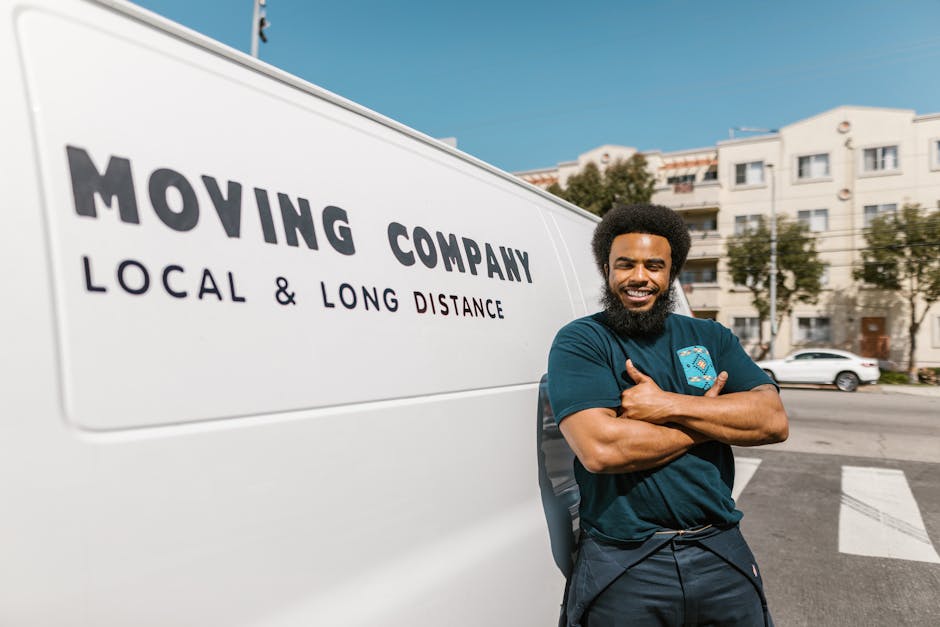
DIY vs Professional Movers: When to Save and When to Hire

Choosing between a do-it-yourself move and hiring professional movers sounds simple until you are staring at a staircase, a sofa that will not quite turn, and a van that feels a bit smaller than it looked online. Truth be told, that is where the real decision starts. DIY vs Professional Movers: When to Save and When to Hire is really about balancing money, time, risk, and how much stress you are willing to carry on moving day.
Some moves are perfect for a hands-on approach. Others are the sort of thing you only want to do once, and preferably with experienced help. In this guide, we will break down the trade-offs in plain English, show you when DIY makes sense, when professional movers are worth every penny, and how to make a sensible call without overpaying or under-planning.
If you are comparing options for a home move, a flat move, or even a small office relocation, this article will help you decide with confidence. And yes, we will look at the messy real-world bits too, because moving is never just boxes and tape. It is awkward corners, tight schedules, and the strange discovery that you own more cables than furniture.
Why DIY vs Professional Movers: When to Save and When to Hire Matters
This choice matters because moving is not just a transport job. It is a chain of decisions: packing, lifting, parking, timing, insurance, access, and whether the items you care about will arrive in one piece. A cheap move that causes damage or delays can end up costing more than a well-planned professional service. That is the bit people often miss on the first pass.
DIY moving can look like the cheapest path because you are only paying for the van, fuel, packing materials, and perhaps a few favours from friends. But hidden costs creep in quickly. You may need extra van hire time, more boxes than expected, parking tickets, or replacement items if something gets chipped. On the other hand, professional movers can feel expensive upfront, but they often reduce physical strain, save time, and take a lot of the logistics off your plate.
The decision also changes depending on the type of property. A ground-floor flat with a short drive and a few bulky items is very different from a third-floor walk-up in central London with no lift and strict parking windows. One move is manageable with a bit of organisation; the other is exactly the sort of day where a professional team earns its keep.
And let's face it, nobody wants to spend moving day wondering whether the wardrobe will make it around the stairwell. That little knot of worry? It is usually the sign to think harder.
How DIY vs Professional Movers: When to Save and When to Hire Works
At its core, the decision is about who handles the labour and the logistics. With DIY moving, you organise almost everything yourself. You source packing supplies, dismantle furniture, load the van, drive it, unload, and rebuild whatever you took apart. You control the pace, but you also carry the responsibility.
With professional movers, the process is more structured. A removal company or man and van service usually helps with some combination of loading, transport, unloading, and sometimes packing or furniture handling. The level of service can vary a lot, so it is worth understanding exactly what is included before you book. Not every "mover" does the same job, and that catches people out all the time.
In practical terms, the best choice usually depends on five things:
- Volume: how much you are moving
- Weight and awkwardness: whether you have bulky, fragile, or heavy items
- Distance: local move versus longer journey
- Access: stairs, lifts, parking, narrow roads, and loading restrictions
- Time pressure: whether you have a same-day turnaround or flexible dates
If the move is small, straightforward, and you have time to organise it properly, DIY can be sensible. If it is complex, time-sensitive, or physically demanding, hiring professionals is often the safer and calmer option.
One useful way to think about it: DIY is a project. Professional moving is a service. The first saves money if your time and effort are available. The second saves energy when life is already busy enough.
Key Benefits and Practical Advantages
There is no single right answer for every move, which is why the comparison matters so much. Each option has clear strengths. The key is knowing which benefit matters most in your situation.
Benefits of DIY moving
- Lower upfront cost: You can often keep expenses down if you already have transport and helpers.
- Full control: You decide the pace, route, and packing order.
- Flexibility: You can spread packing across several evenings rather than fitting everything into one booking.
- Simple for small moves: A few boxes, a bike, and a couple of chairs? Fair enough, DIY may be all you need.
Benefits of professional movers
- Less physical strain: Heavy lifting is tiring and, frankly, not something everyone should be doing repeatedly.
- Better handling of awkward items: Sofas, appliances, wardrobes, and fragile pieces are easier with trained hands.
- Time savings: Experienced movers work faster and more efficiently than most people can manage alone.
- Reduced risk of damage: Proper handling, loading technique, and suitable equipment can protect your belongings.
- Less stress on the day: You are not trying to be the driver, loader, organiser, and problem-solver all at once.
The real advantage is not just convenience. It is mental bandwidth. A moving day with too many moving parts can become a bit of a wobble, especially if there are children, pets, or a property handover to manage at the same time. Professional support can make the whole day feel far more controlled.
Who This Is For and When It Makes Sense
DIY moving tends to suit people who have a relatively small load, access to a van, and enough hands to help. Students moving between flats, renters shifting a few streets away, or anyone transporting lightly furnished rooms may find it a practical choice. It can also work if you are moving over several days and do not need everything done in one go.
Professional movers are usually the better fit if you are dealing with any of the following:
- A full household move
- Large furniture or appliances
- Long carry distances from property to vehicle
- Restricted parking or busy roads
- Stairs, no lift, or awkward building access
- Valuable, fragile, or hard-to-replace items
- Time-sensitive completion or tenancy deadlines
This also applies to business moves. Office relocations often involve workstations, filing, IT equipment, and tight timing so business can reopen quickly. For that kind of job, a specialist service such as office relocation services or commercial moves may make a lot more sense than trying to organise everything in-house.
If you are somewhere in the middle, that is normal too. Plenty of people choose a hybrid approach: packing themselves, then hiring help for the heavy lifting and transport. To be fair, that is often the sweet spot.
Step-by-Step Guidance
If you are still undecided, a simple decision process helps. Do not start by asking, "What is cheapest?" Start by asking, "What will this move actually demand of me?" That usually gives a much clearer answer.
- List everything you are moving. Walk room by room and count furniture, boxes, appliances, and anything fragile or oddly shaped.
- Check access. Measure doorways, note staircases, confirm lift access, and think about where a van can park.
- Estimate your time. Be honest. Packing always takes longer than you think. Always.
- Identify the risky items. Glass tables, TVs, washing machines, large mirrors, and heavy wardrobes often change the equation.
- Compare total costs, not just headline costs. Include fuel, van hire, packing materials, food, parking, and possible damage.
- Ask how much help you truly have. Friends may offer, but people get tired, late, or mysteriously unavailable once the sofa appears.
- Decide on the service level you need. Full packing? Loading only? Transport only? A man and van service can be a flexible middle ground for smaller or local moves.
- Book early if you need professionals. Peak dates fill quickly, especially at month-end and on weekends.
A useful rule of thumb: if the move would be stressful even with a solid plan, it will probably be worse on the day. That is usually a good sign to hire help.
Expert Tips for Better Results
In our experience, the best moving outcomes come from careful planning rather than heroics on the day. A few small decisions make a bigger difference than people expect.
1. Pack by priority, not by room alone
It sounds simple, but it helps. Keep essentials together: kettle, toiletries, chargers, a change of clothes, basic tools, and paperwork. That one box can save an evening of rummaging through ten others while you are half tired and mildly annoyed.
2. Use the right moving van size
If you go DIY, do not underestimate van space. Too small and you end up making extra trips. Too large and the load shifts around, which is not ideal either. A suitable removal van or moving van can make the job far easier.
3. Protect furniture before loading
Blankets, straps, bubble wrap, and corner protection matter more than people think. Scraped walls and chipped furniture are often the result of rushing rather than bad luck.
4. Reserve parking if needed
In London especially, parking can make or break the whole move. A van circling the block while helpers wait by the front door is a terrible use of time and energy.
5. Keep a small toolkit nearby
Screwdrivers, Allen keys, tape, scissors, a torch, and bin bags are all worth having to hand. That tiny toolkit is annoyingly useful, in the best possible way.
6. Choose help based on the job
For heavy, awkward, or high-value items, a specialist team is usually the better call. For a simpler move, a basic local service may be enough. If you need broader support, a trusted removal company can give you more structure than a one-off van hire.
Common Mistakes to Avoid
The biggest moving mistakes are usually not dramatic. They are small planning errors that snowball. A ten-minute delay here, an under-sized van there, and suddenly the whole day feels longer than it should.
- Only comparing price: The cheapest option is not always the best value.
- Underestimating volume: A "few boxes" can become a small mountain once cupboards are opened.
- Forgetting access issues: Tight staircases and bad parking can turn a short move into a long one.
- Not asking what the service includes: Some movers provide loading help, others do not. Clarity matters.
- Leaving packing too late: Rushed packing increases breakage and stress.
- Using friends as a full moving crew without a plan: Well-meaning help is great, but chaos is still chaos.
- Ignoring insurance and liability questions: You should understand who is responsible if something goes wrong.
A lot of regret comes from making the decision in a hurry. If you are wavering, take another fifteen minutes and write the move down on paper. The answer usually becomes clearer once the details are visible.
Tools, Resources and Recommendations
You do not need fancy gear to move well, but the right tools make a noticeable difference. Whether you are moving yourself or hiring professionals, a few basics help the day run more smoothly.
- Strong boxes: Use consistent box sizes where possible so stacking is easier.
- Packing tape and tape gun: Saves time and keeps boxes secure.
- Blankets and wraps: Useful for furniture protection and appliance padding.
- Furniture sliders or dolly: Great for heavy items across hard floors.
- Labels and marker pens: Simple, but absolutely worth it.
- Tool kit: Needed for dismantling beds, tables, and shelving.
- Phone charger and power bank: Because a dead phone on moving day is never a good scene.
If you are weighing service options, start with the practical pages that explain the range of help available. You may want to look at removal services, compare a more hands-on option such as man with van removal, or review home moves support if you are moving a household rather than a single item.
For smaller jobs, furniture pick-up can be a sensible solution. For a fuller job, checking pricing and quotes helps you compare like with like. That bit matters more than people expect, because a vague quote is not the same as a true estimate.
Law, Compliance, Standards, or Best Practice
Moving is not heavily regulated in the way some industries are, but there are still important standards and responsibilities to keep in mind. A reputable mover should be clear about insurance, safety practices, and how they handle goods in transit. You should also understand your own responsibilities, especially if you are moving from a rented property or a building with access rules.
Best practice usually includes:
- Clear booking terms: Know what is included, what extra charges may apply, and what happens if timings change.
- Insurance clarity: Ask how items are covered during loading, transit, and unloading.
- Safe lifting and handling: Heavy items should be moved with appropriate care and equipment.
- Respect for property rules: Flats, managed buildings, and offices may have loading windows or booking requirements.
- Data and valuables awareness: For office moves, sensitive documents and IT equipment should be handled carefully.
If sustainability matters to you, some movers also think about reuse, route planning, and waste reduction. That is where a page like recycling and sustainability can be helpful for understanding how unwanted items may be handled responsibly.
For any service provider, you should expect straightforward policies on safety, customer complaints, privacy, and payments. Those may not be the exciting parts of moving, but they are the parts that show whether a company is properly organised. A business that is clear about these basics tends to be clearer everywhere else too.
Options, Methods, or Comparison Table
If you are still deciding, it helps to compare the main options side by side. Not every move fits neatly into one box, but most choices can be grouped into a few familiar paths.
| Option | Best for | Pros | Trade-offs |
|---|---|---|---|
| Full DIY move | Small, simple moves with time and helpers available | Lowest upfront spend, full control, flexible timing | More physical work, higher risk of mistakes, time-consuming |
| DIY with van hire | Moderate moves where you can handle packing and lifting | Still fairly economical, more capacity than a car | Driving, loading, parking, and safety remain your responsibility |
| Man and van service | Local or medium-sized moves with limited furniture | Good balance of cost and support, often flexible | Less comprehensive than a full removal team |
| Professional removal company | Larger, more complex, or time-sensitive moves | Less stress, faster loading, better handling, more support | Higher upfront cost |
There is also a middle route that many people overlook: pack yourself, then hire professionals for transport and lifting. That approach can trim costs while keeping the hardest part of the day under control. For a lot of households, it is the practical compromise.
If you need a broader comparison of transport setup, you may also find removal truck hire and movers useful to review before committing.
Case Study or Real-World Example
Imagine a couple moving from a one-bedroom flat in south west London to another flat a few miles away. They own a bed, mattress, desk, sofa, a couple of shelves, and around twenty boxes. On paper, it looks manageable. A van rental and a few friends would probably do the job.
Then the details appear. Their current flat is on the third floor, there is no lift, parking is limited, and move-out time is fixed. One of the friends can help for only half the day. Suddenly the DIY plan becomes much less attractive. The couple could still do it, of course, but they would need more time, more coordination, and a fair amount of luck.
In a case like that, a hybrid move might be the smartest choice. They could handle the packing themselves over a few evenings, then book a professional team for the heavy lifting and transport. That reduces cost without turning moving day into a marathon. If they are moving within London and want local expertise, a service area like London or a nearby area page such as Wandsworth may also help them understand local coverage and options.
The lesson is simple. The best move is not always the cheapest on paper. It is the one that gets your things from A to B safely, without draining the life out of the day. A little boring? Maybe. Very effective? Absolutely.
Practical Checklist
Use this checklist before you decide whether to move yourself or hire professionals.
- Have I counted every major item and estimated the number of boxes?
- Do I know how difficult access will be at both properties?
- Can I safely lift and carry the heaviest items?
- Do I have enough helpers I can genuinely rely on?
- Have I included the full cost of van hire, fuel, materials, and parking?
- Do I need packing help, lifting help, or full transport support?
- Are any items fragile, valuable, or awkward enough to justify professionals?
- Have I checked the timings for move-in, move-out, and building access?
- Do I understand what insurance or liability coverage applies?
- Is my move likely to be easier with a calm crew than with a last-minute scramble?
If you tick a lot of "no" boxes, that is not failure. It is useful information. Better to know now than halfway down the stairs with a mattress.
Conclusion
The real answer to DIY vs Professional Movers: When to Save and When to Hire is not one-size-fits-all. DIY can be brilliant for smaller, simpler, lower-risk moves where you have time, transport, and support. Professional movers are usually the better choice when the job is physically demanding, time-critical, or complicated by access, distance, or valuable belongings.
The smartest approach is usually the one that matches the actual shape of your move. Not the ideal version in your head. The real one. Once you look honestly at time, access, risk, and effort, the right choice tends to become obvious. And if it still feels borderline, that is often because a little professional help would make a big difference.
Get a free quote today and see how much you can save.
Moving day does not need to be a drama. With the right plan, it can be just another job done well, and that is a very good feeling indeed.
Frequently Asked Questions
Is it cheaper to move yourself than to hire professional movers?
Usually, DIY moving has a lower upfront cost because you are paying mainly for transport and materials. But the real cost depends on time, fuel, parking, equipment, and the risk of damage. For small moves, DIY often saves money. For larger or more awkward moves, professional help can be better value overall.
When does DIY moving stop making sense?
DIY tends to stop making sense when the move becomes physically difficult, time-sensitive, or complicated by stairs, parking problems, or fragile items. If you are asking several people for help and still feel unsure, that is usually a sign to consider professionals.
What is the difference between a man and van service and a full removal company?
A man and van service is often more flexible and suited to smaller or simpler moves. A full removal company usually offers more hands-on support, more staff, and a better fit for larger household or office moves. The right option depends on how much you are moving and how much help you need.
Should I pack everything myself before hiring movers?
Not always. Packing yourself can save money, but it takes time and care. If you have fragile items, a tight schedule, or a lot of bulky belongings, professional packing or partial packing support may be worthwhile.
How far in advance should I book professional movers?
As early as you can, especially if you are moving at month-end, on a weekend, or during a busy season. Popular dates fill up quickly. Booking ahead gives you more choice and a calmer run-up to moving day.
What items are hardest to move on my own?
Large sofas, wardrobes, washing machines, American-style fridges, glass tables, and pianos or other very heavy items are usually the biggest challenge. Anything bulky, awkward, or fragile deserves extra thought before you decide to DIY it.
Is hiring movers worth it for a small flat?
It can be. A small flat move may still be worth hiring for if access is tricky, you have little time, or you own heavy furniture. A small property does not always mean an easy move. Sometimes the stairwell does all the damage.
Do professional movers provide insurance?
Many reputable movers carry some form of insurance or liability cover, but the level of protection can vary. Always ask what is covered during loading, transit, and unloading. Clear terms matter more than vague reassurance.
Can I combine DIY packing with professional transport?
Yes, and that is often a practical compromise. Many people pack themselves to save money, then hire help for the heavy lifting and transport. It keeps costs down while reducing the hardest part of the move.
What should I ask before I book a mover?
Ask what is included, whether there are extra charges, how insurance works, whether help is available for loading and unloading, and what happens if timings change. A good provider will answer clearly and without fuss.
How do I decide if my move needs professional help?
Look at the volume, the access, the time available, and the items you are moving. If you have bulky furniture, difficult stairs, or a tight deadline, professional movers usually make the day much easier. If the move is small and straightforward, DIY may be enough.
Are professional movers better for local London moves?
They often are, especially if parking is tight, access is awkward, or you need the move completed within a narrow time window. Local knowledge can save a lot of stress in busy areas. Sometimes the roads alone are reason enough to get help.